


Visit https://catalinaconservancy.org/get-involved/volunteer/ to see details and applications for individual or group volunteer opportunities.
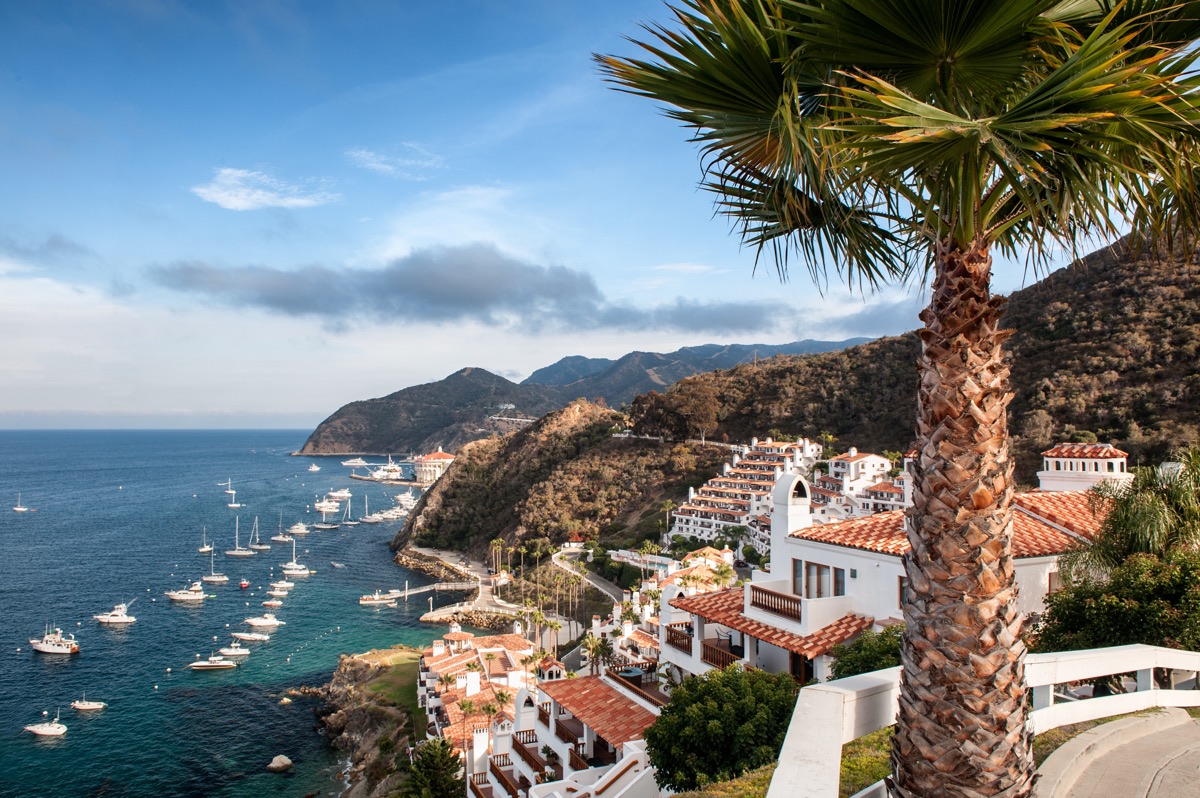
Catalina Island, located just off the Southern California coast, is a place where the Pacific Ocean meets rugged cliffs, quiet coves, and wild, open landscapes. For homeschoolers, families who have the flexibility to learn anywhere, the island offers an outdoor classroom unlike any other. Its natural environments are so varied, so abundant, and so immersive, that nearly every step onto the island becomes a lesson in ecology, geology, marine science, history, or environmental stewardship. Catalina Island is valuable to homeschoolers precisely because it is a living, breathing example of the world students are studying. It provides hands-on learning opportunities that books can describe, but only real-life experience can fully teach.
Below is an exploration of Catalina Island’s educational value for homeschool families, rooted in its natural richness both on land and in the surrounding Pacific waters.
Catalina Island as a Natural Classroom
One of the greatest advantages homeschoolers have is the freedom to explore learning outside traditional walls. Catalina Island amplifies that freedom. Because the island’s ecosystems have been protected for decades, largely through the efforts of the Catalina Island Conservancy, much of its landscape remains wild and untouched. This makes the island a perfect “field laboratory” for students who learn best by seeing and doing.
Families can take hikes through native chaparral, explore tide pools alive with marine creatures, observe foxes and bison in their natural habitats, or kayak above vibrant kelp forests. Instead of reading about ecological relationships, students witness them firsthand. Instead of memorizing geography terms, they can climb hills and feel the difference between a canyon, a ridge, and a plateau. Catalina’s natural abundance transforms abstract concepts into tangible experiences, deepening comprehension and sparking curiosity.
A Living Laboratory of Island Ecology
One of Catalina Island’s most compelling educational features is its incredibly distinct island ecology. Islands often develop species, plant communities, and ecological relationships that differ noticeably from those on the mainland. Catalina is no exception.
For example, the Catalina Island fox, a small, uniquely adapted subspecies, exists only on the Channel Islands, the Santa Barbara Channel archipelago surrounding Catalina. Observing these foxes, especially in protected interior areas, gives homeschoolers a direct encounter with concepts like adaptive evolution, ecological niches, and the challenges of species conservation.
The island’s plant life provides another layer of learning. Chaparral and coastal sage scrub cover much of Catalina’s terrain. Homeschoolers can study drought-tolerant plants, learn about the role of fire in California ecosystems, and understand why native species matter. Hikes become botany lessons, and the island’s rugged terrain encourages students to develop observational skills they simply can’t learn from textbooks.
In addition, the Conservancy’s restoration projects, such as removing invasive species or monitoring threatened habitats, provide examples of environmental science in action. Homeschool groups can sometimes participate in volunteer opportunities, giving students firsthand experience with real conservation work. This transforms learning from something theoretical to something deeply meaningful.
Visit https://catalinaconservancy.org/get-involved/volunteer/ to see details and applications for individual volunteer opportunities or group opportunities.
The Surrounding Pacific: A Window into Marine Science
While the island’s interior is rich with learning opportunities, its surrounding ocean environments offer even more. Catalina Island is renowned for its remarkably clear waters, healthy kelp forests, and rich marine biodiversity. For homeschoolers, this means that a simple walk along the shore or a day spent snorkeling becomes a marine biology lesson.
Kelp Forests as Ecosystems
Kelp forests are among the most productive marine ecosystems on the planet. Around Catalina, these underwater “forests” grow thick and tall, creating a habitat teeming with life. From bright orange garibaldi to sea bass, leopard sharks, sea stars, and hermit crabs, the range of marine organisms students can encounter is extraordinary.
Seeing the kelp sway with the motion of the waves helps homeschoolers understand concepts like photosynthesis, buoyancy, and ecological interdependence. They see how kelp shelters young fish, provides food for some species, and shapes the entire underwater world
Tide Pools as Interactive Science Stations
At low tide, Catalina’s rocky shoreline reveals tide pools filled with anemones, crabs, urchins, sea cucumbers, and small fish. Tide pooling encourages careful observation, patience, and respect for living things. It also teaches about tidal cycles, adaptation to changing environments, and the delicate balance required for organisms to survive in these ever-shifting microhabitats.
For homeschoolers, these tide pools become real-life illustrations of scientific principles that might otherwise seem abstract.
Kayaking and Snorkeling as Immersive Learning
When students go beyond the shoreline, by kayaking, paddleboarding, or snorkeling, they enter an entirely different layer of ecological learning. From the water, students witness how coastal geography shapes habitats and how marine life interacts with the surface environment.
Snorkeling especially offers transformative experiences. Seeing marine life in its natural habitat helps students understand the interconnectedness of ecosystems, the importance of ocean conservation, and the beauty of biodiversity. These encounters often inspire long-lasting appreciation for science and environmental stewardship.
Geology, Geography, and Earth Science in Action
Catalina Island isn’t just biologically rich, it is geologically fascinating. Its rugged mountains, deep canyons, and steep sea cliffs tell the story of tectonic movement, volcanic activity, and erosion over millions of years.
For homeschoolers, the island serves as a real-world case study in:
- Plate tectonics and coastal uplift
- Erosional processes shaping steep shorelines
- Formation of coves and sea caves
- Marine terraces and sediment layers
- The relationship between geology and habitat formation
Seeing geologic features in person makes earth science far more memorable than diagrams in a textbook.
Astronomy and Natural Night Experiences
Catalina Island, especially its interior, is far less light-polluted than mainland Southern California. Homeschool families who camp or stay overnight inland can experience remarkably clear night skies.
This opens doors to astronomy lessons involving:
- Constellation identification
- Phases of the moon
- Planet observation
- Discussions about atmospheric clarity
- Navigation by stars
For many homeschooled children, learning under a dark, expansive sky creates a sense of wonder and scale that is impossible to replicate indoors.
Opportunities for Interdisciplinary Learning – aka Unit Study
One of the strengths of homeschooling is the ability to connect subjects fluidly. Catalina Island naturally supports interdisciplinary learning because its environments blend science, history, and cultural studies.
History and Human Interaction
Students can study:
- The island’s Indigenous Tongva history
- Spanish and Mexican periods
- The Wrigley family’s influence on conservation
- The development of Avalon as a resort town
- The role of the island during World War II
Walking through Avalon or touring historic sites gives context to broader lessons about California history.
Art and Creative Expression
The island’s vistas, dramatic cliffs, endless ocean, unique wildlife, are ideal for drawing, painting, photography, and journaling. Homeschoolers often integrate creative arts into their learning, and Catalina provides endless inspiration.
Physical Education and Nature Skills
Outdoor activities like hiking, kayaking, snorkeling, and camping help students improve physical health while learning life skills such as:
- Map reading
- Outdoor safety
- Navigation
- Environmental responsibility
All of these reinforce well-rounded learning.
Why Catalina Island Is Especially Valuable to Homeschoolers
Ultimately, the value of Catalina Island to homeschoolers lies in the thousands of moments where learning, exploration, and nature connect. It is a place where students develop not only academic knowledge but also confidence, curiosity, and a sense of relationship with the natural world.
Homeschool families often seek experiences that enrich learning beyond worksheets and lectures. Catalina Island, with its abundant nature and immersive environments, offers exactly that. It transforms science lessons into discoveries, geography lessons into adventures, and environmental education into lived experience.
For homeschoolers, Catalina Island is more than a destination, it is a dynamic, living classroom where knowledge becomes something you can feel under your feet, taste in the salty air, observe in tide pools, hear in the calls of island birds, and experience in every step across its wild, beautiful landscape. Plan a many-day trip to Catalina soon, to experience its beauty and value to homeschoolers.